The relentless pursuit of sustainable energy solutions to mitigate climate change has become a global priority. Recent advancements in this field promise not only to reduce our carbon footprint but also to foster economic growth and enhance energy security. This article explores some of the cutting-edge developments in sustainable energy that are shaping the future.
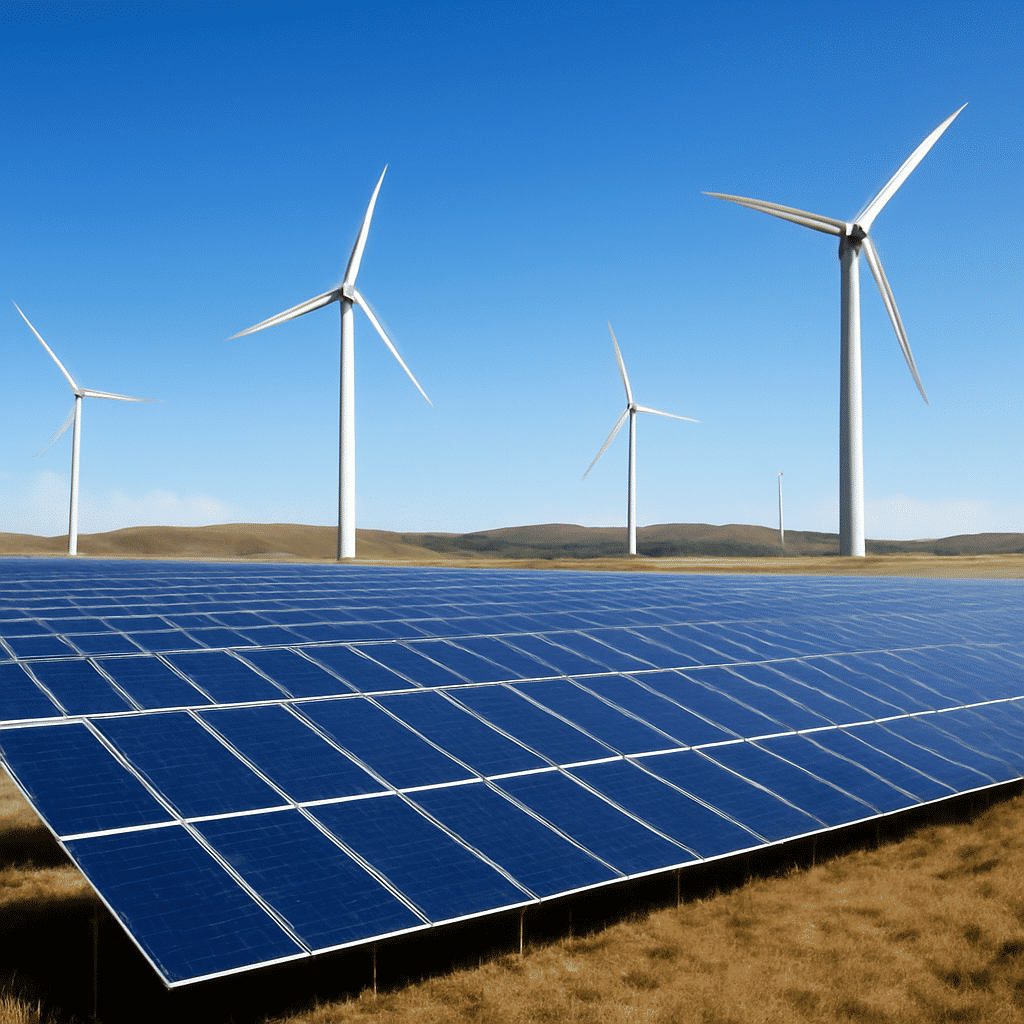
One of the most promising areas is the advancement in solar photovoltaic (PV) technology. New innovations in solar cells are making this renewable energy source more efficient and cost-effective. Perovskite solar cells, for example, have garnered significant attention due to their high efficiency rates and low production costs. Researchers are exploring ways to stabilize these cells to make them a commercial reality. Additionally, tandem solar cells, which combine perovskite and silicon layers, are pushing the boundaries of efficiency, far surpassing the limits of traditional silicon cells alone.
Wind energy is also experiencing remarkable innovation. The development of large-scale offshore wind farms is a testament to the capabilities of modern engineering. Using floating turbines, these projects are tapping into strong, consistent winds found over ocean waters, increasing the reliability and efficiency of wind power. Coupled with expansive grid infrastructure improvements, wind energy is becoming a cornerstone of sustainable energy policies worldwide.
Beyond wind and solar, energy storage advances are paving the way for a more stable and dependable energy supply. Lithium-ion batteries, long seen as the gold standard for energy storage, are being surpassed by innovations like solid-state batteries and flow batteries. These new technologies offer higher energy densities, faster charging times, and longer lifespans, making them ideal for both industrial applications and electric vehicles. Furthermore, the use of artificial intelligence in energy management systems is optimizing the use of stored energy, minimizing waste, and reducing costs.
Hydrogen is emerging as a versatile player in the clean energy landscape. Green hydrogen, produced through renewable-powered electrolysis, holds the promise of decarbonizing hard-to-electrify sectors like heavy industry and long-haul transportation. Recent improvements in electrolyzer efficiency and reductions in production costs are accelerating the adoption of hydrogen as a fuel source, with nations investing heavily in building a robust hydrogen economy.
An often-overlooked aspect of sustainable energy solutions is energy efficiency, with smart technology playing a key role. Advances in smart grid technology, which allow for the responsive and automated control of electricity, enhance operational efficiency and integrate various renewable energy sources seamlessly. Smart grids employ real-time data and predictive analytics to foresee energy demand and supply, further reducing our reliance on fossil fuel-based energy.
While the future of sustainable energy is brightly optimistic, challenges remain. These include issues related to grid integration, the environmental impact of energy material extraction, and the need for significant policy support and investment to scale these technologies. However, with global collaboration and continued technological innovation, these hurdles are surmountable.
In summary, the latest advancements in sustainable energy solutions are profound and varied, heralded by innovations in solar and wind power, breakthroughs in energy storage, and the promising potential of hydrogen as a clean fuel. Collectively, these developments provide hopeful scenarios for reducing carbon footprints around the world, marking a pivotal shift towards a cleaner, more sustainable energy future.